
Importing Heavy Trucks & Spare Parts to Nigeria from China: The Complete Guide
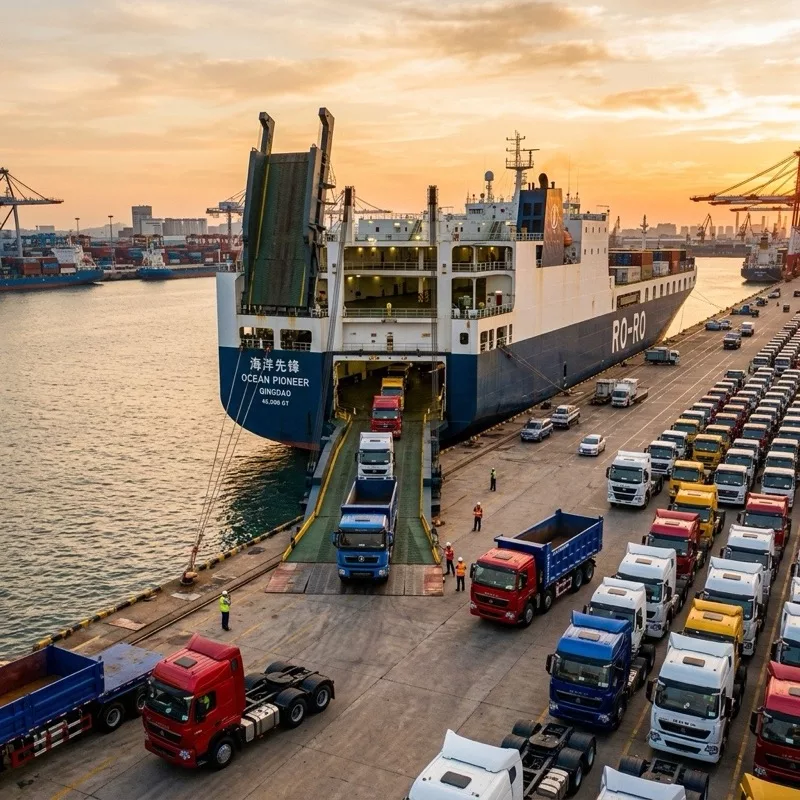
Nigeria is Shandong TK’s largest export market — from HOWO dump trucks bound for construction sites in Lagos to spare parts consignments for fleet operators across the country. But importing heavy commercial vehicles into Nigeria involves its own paperwork, port procedures and compliance requirements. Here is what every Nigerian buyer should know before placing an order.
Whether you are sourcing a single HOWO 6×4 tipper or importing a batch of tractor heads for a haulage fleet, the process follows the same core stages: specification and quotation, manufacturing or sourcing, quality inspection, export documentation, sea freight, and customs clearance at the Nigerian port. Understanding each stage in advance avoids delays and unplanned costs.
1. Why Nigeria Is Our Largest Export Market
Construction, mining, haulage and agriculture companies across Nigeria rely on HOWO and Shacman heavy trucks for their durability, parts availability and value for money compared to European and Japanese equivalents. We have shipped dump trucks, tractor heads and spare parts consignments to buyers in Lagos, Abuja, Port Harcourt and beyond, and the Lagos–China shipping lane is one of our most established routes.
2. Documents You Will Need: SONCAP, Form M & Certificate of Origin
Nigeria requires a SONCAP certificate (Standards Organisation of Nigeria Conformity Assessment Programme) for all vehicle imports, confirming the truck meets Nigerian technical standards before it leaves China. Alongside SONCAP, your import will need:
- Form M: the mandatory import declaration filed through your Nigerian bank ahead of shipment.
- Certificate of Origin: confirming the vehicle or parts were manufactured in China.
- Commercial Invoice & Packing List: matching the shipped goods exactly, to avoid delays at customs.
- Bill of Lading: issued by the shipping line once your cargo is loaded.
We prepare and forward every one of these documents to you or your clearing agent well ahead of the vessel’s arrival, so your paperwork is ready the moment the ship docks.
3. Shipping Route & Timeline to Lagos
Trucks bound for Nigeria typically leave from our nearest export-ready port and arrive at Lagos (Apapa or Tin Can Island). Driveable trucks travel by RoRo (Roll-on, Roll-off), rolling directly onto and off a car-carrier vessel with no container required — the most economical option for a complete, running truck. Spare parts and disassembled units travel by standard 20ft or 40ft container.
- Departures: RoRo services to Lagos run roughly every 2–3 weeks from major Chinese ports.
- Transit time: typically 25–40 days from China to Lagos, depending on vessel schedule and routing.
- Before loading: every truck is prepared at our workshop — fluids checked, battery disconnected, mirrors folded, fuel tank set to a quarter level — and photographed from multiple angles for your pre-shipment record.
4. Customs Clearing at the Nigerian Port
Once your vessel docks, clearing at Apapa or Tin Can Island involves matching your Bill of Lading, SONCAP certificate, Form M and Commercial Invoice against the physical cargo, followed by duty assessment and terminal handling before release. Import duty is assessed by Nigerian Customs based on the vehicle’s classification and declared value — because rates and terminal charges can change, we always recommend confirming current figures with your clearing agent or Nigerian Customs before finalising your budget, and we’re glad to help you get in touch with a reliable local agent if you don’t already have one.
Working with an experienced local clearing agent is strongly recommended: they manage the day-to-day interaction with the terminal and customs office and can flag any documentation issue before it becomes a costly delay.
5. Common Pitfalls & How We Help You Avoid Them
- Missing or mismatched paperwork: a Commercial Invoice that doesn’t exactly match the shipped goods is one of the most common causes of port delays. We cross-check every document against the actual cargo before it ships.
- SONCAP applied for too late: this certificate needs to be arranged before the vessel departs, not after arrival. We build it into your order timeline from day one.
- Unverified specifications: engine, axle configuration or drive type not matching what was ordered. Every truck is inspected and photographed on-site in China before shipment — see our on-site quality control process for details.
Ready to Import Your Next Truck to Nigeria?
From quotation to Lagos port delivery, Shandong TK handles sourcing, quality inspection, documentation and shipping as one coordinated process — so you know exactly what to expect and when.
Contact our export team today to request a quote and shipping timeline for your Nigeria-bound order.
Leave a Reply